Epoxy & Polyaspartic Floor Coatings
Epoxy Flooring in Temple, TX
Durable, easy-to-clean coatings for garages, shops, and commercial floors. We grind the concrete, repair what needs it, and install a system matched to how you actually use the space.
- Locally Owned and Operated
- Insured, Certificate on Request
- Free On-Site Estimates
Request a Free Estimate
Share a few details and we'll set up a time to see your floor.
How a Coating Holds Up
A floor coating is only as good as what's under it
Most coating failures have nothing to do with the coating itself. They come from skipped prep: concrete that was acid-washed instead of ground, cracks that were painted over, or a slab that was pushing moisture up the whole time. That is why every floor we coat starts the same way.
We diamond-grind the surface so the base coat can bond into the concrete, fill and grind cracks and pitting flush, and check moisture before choosing products. Then we build the system in layers, each one doing a specific job.
Central Texas is hard on concrete. Bell County's clay soils shift with wet and dry spells, which cracks slabs. Summer heat turns a closed garage into an oven, and hot tires can lift cheap coatings right off the floor. The systems we recommend are chosen with all of that in mind.
What We Do
Floor coating services
From a two-car garage to a warehouse aisle, each project gets a system built for its traffic, chemicals, and look.
Garage Floor Coating
Flake and polyaspartic systems that stand up to hot tires, oil, and Texas heat, and wipe clean in minutes.
Garage floors → 02Commercial & Industrial
Warehouses, shops, auto bays, clinics, and kitchens, with anti-slip texture and safety striping where you need it.
Commercial floors → 03Epoxy Flooring
High-build epoxy systems for interior concrete, from solid-color utility floors to decorative finishes.
Epoxy flooring → 04Concrete Floor Coating
Polyaspartic, polyurea, and sealer options for porches, patios, shops, and other concrete surfaces.
Concrete coatings → 05Metallic Epoxy
One-of-a-kind, glossy floors with depth and movement for showrooms, offices, and living spaces.
Metallic epoxy → 06Flake Epoxy
The classic textured finish. Hides dust and wear, adds grip, and comes in dozens of color blends.
Flake epoxy →Commercial & Industrial
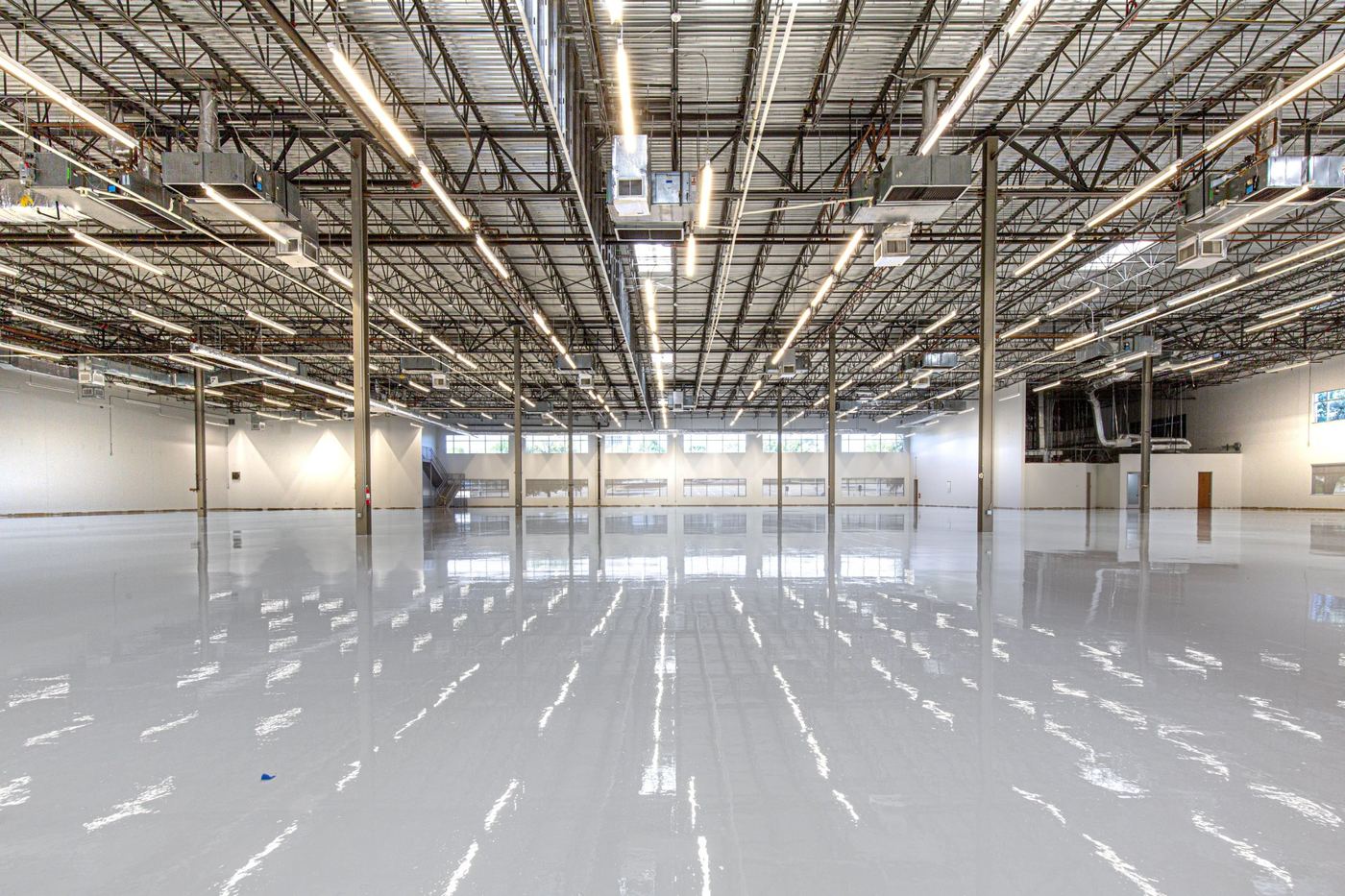
Floors for Temple's shops, warehouses, and workspaces
Temple is a distribution and manufacturing town, and plenty of the businesses around its plants and warehouses work on bare concrete that dusts, stains, and gets slick. A coated floor is easier to keep clean, reflects more light, and gives you a surface you can mark for traffic lanes and work zones.
- Chemical- and abrasion-resistant epoxy and urethane systems
- Anti-slip aggregate for wet or greasy areas
- Safety striping, walkways, and zone marking
- Phased scheduling planned around your operations
Our Approach
What you can expect when you call us
- A real look at your concrete. We measure, check for cracks and moisture, and point out anything that affects the result before you commit to anything.
- A written, itemized proposal. Prep, repairs, coating layers, and finish are spelled out, so you know what you are paying for.
- Diamond grinding, not acid etching. Grinding opens the concrete so the base coat bonds into it. It is the step that keeps coatings from peeling.
- Systems chosen for the space. A garage, a commercial kitchen, and a showroom need different products. We will tell you what we would put down and why.
- UV-stable topcoats. Garage doors often stay open in Texas. Polyaspartic topcoats resist the yellowing that plain epoxy shows in sunlight.
- Straight answers on care. You get simple cleaning and maintenance guidance for your floor once it is done.
The Process
From first call to finished floor
Call or request an estimate
Tell us about the space, how you use it, and the look you have in mind.
On-site measure
We measure, inspect the slab, test for moisture, and show you finish samples.
Written proposal
You get an itemized proposal with the system, the prep, the price, and the cure timeline.
Prep and install
We grind, repair, and lay down each coat, then walk the finished floor with you.
Finishes
Pick a look that fits the space
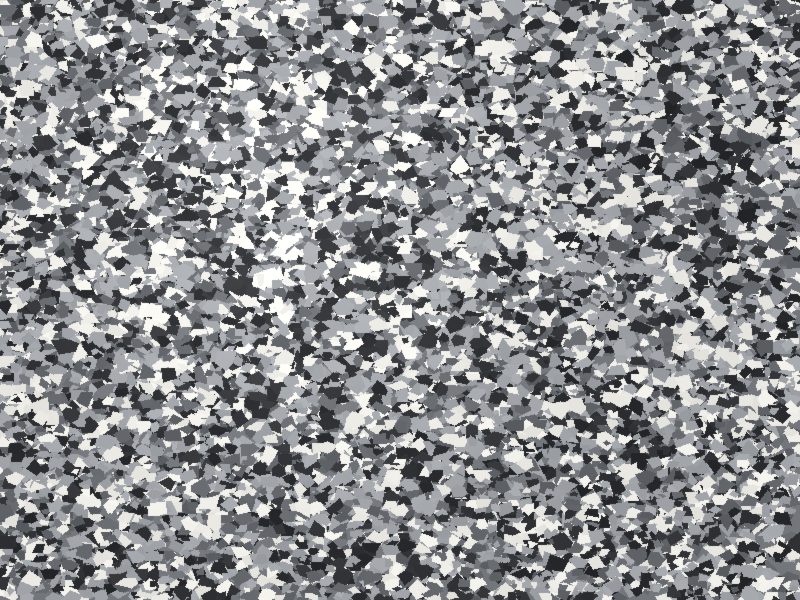
Flake, metallic, and solid-color finishes each have their place. These are a starting point. We bring physical samples to every estimate.
Flake
Textured, forgiving, and the most popular garage finish.

Metallic
Glossy and fluid, with a pattern that is never the same twice.

Solid Color
Clean and bright, ideal for shops and commercial floors.
Pricing
What drives the cost of a coated floor
Every floor is priced from an on-site measurement, because the same-size garage can cost very different amounts depending on the slab. The biggest factors are:
- Square footage, including steps, curbs, and odd shapes
- Concrete condition, such as cracks, spalling, old coatings, and stains
- Moisture, and whether a mitigating primer is needed
- The system and finish, from a solid utility coat to full flake or metallic
National estimate, not a quote: cost guides commonly put professionally installed epoxy and polyaspartic floors at about $3 to $12 per square foot. Your written proposal will show the actual price for your floor.
Service Area
Where we work
We are based in Temple and coat floors across the surrounding area, from new subdivisions on the south and west sides of town to farm shops out in the county.
- Temple
- Belton
- Morgan's Point Resort
- Salado
- Troy
- Little River-Academy
- Rogers
- Holland
Not sure if you are in range? Call (254) 500-2099 and ask.
Common Questions
How much does an epoxy garage floor cost?
It depends on the square footage, the condition of the slab, and the system you choose. As a rough guide, national cost guides commonly list professionally installed epoxy and polyaspartic coatings at about $3 to $12 per square foot. Those are national estimates, not a quote. We measure your floor, check the concrete, and give you a written proposal with the actual price.
What is the difference between epoxy and polyaspartic?
Epoxy builds a thick, strong base and bonds well to properly ground concrete. Polyaspartic is a newer coating that stays clear in sunlight, resists hot-tire marks, and cures faster. Many of our garage systems use both: an epoxy base coat with a polyaspartic topcoat.
Can you coat a floor that has cracks or oil stains?
Usually, yes. Cracks and small spalls are filled and ground flush before any coating goes down, and oil-soaked areas are cleaned and degreased. Very deep contamination or a slab that is still moving may need more work, and we will tell you during the estimate if that is the case.
Do you test the concrete for moisture?
Yes. Moisture coming up through a slab is one of the most common reasons coatings peel. We check it before recommending a system, and if readings are high we talk through moisture-mitigating primers before any work is scheduled.
How long before I can park on a new garage floor?
It depends on the products, the temperature, and the humidity on install day. Light foot traffic usually comes first, and vehicles come later. We give you the specific timeline for your system in your proposal so you can plan around it.
Do you work on commercial and industrial floors?
Yes. We coat shops, warehouses, auto bays, clinics, retail spaces, and other commercial floors in and around Temple. Commercial work often needs phased scheduling, anti-slip texture, or safety striping, and we plan those details with you up front.
What areas do you serve?
We work in Temple and nearby communities including Belton, Morgan's Point Resort, Salado, Troy, Little River-Academy, Rogers, and Holland. If you are close by and do not see your town, give us a call and ask.
Ready to talk about your floor?
Call or send a few details, and we'll set up a free on-site estimate.